

Flow FL-100 is now FDA-Approved
Soon Available in the US
Interested in prescribing Flow FL-100 to your patients? Be first to receive updates for the September 1, 2026 launch.
FDA Approval and US Availability
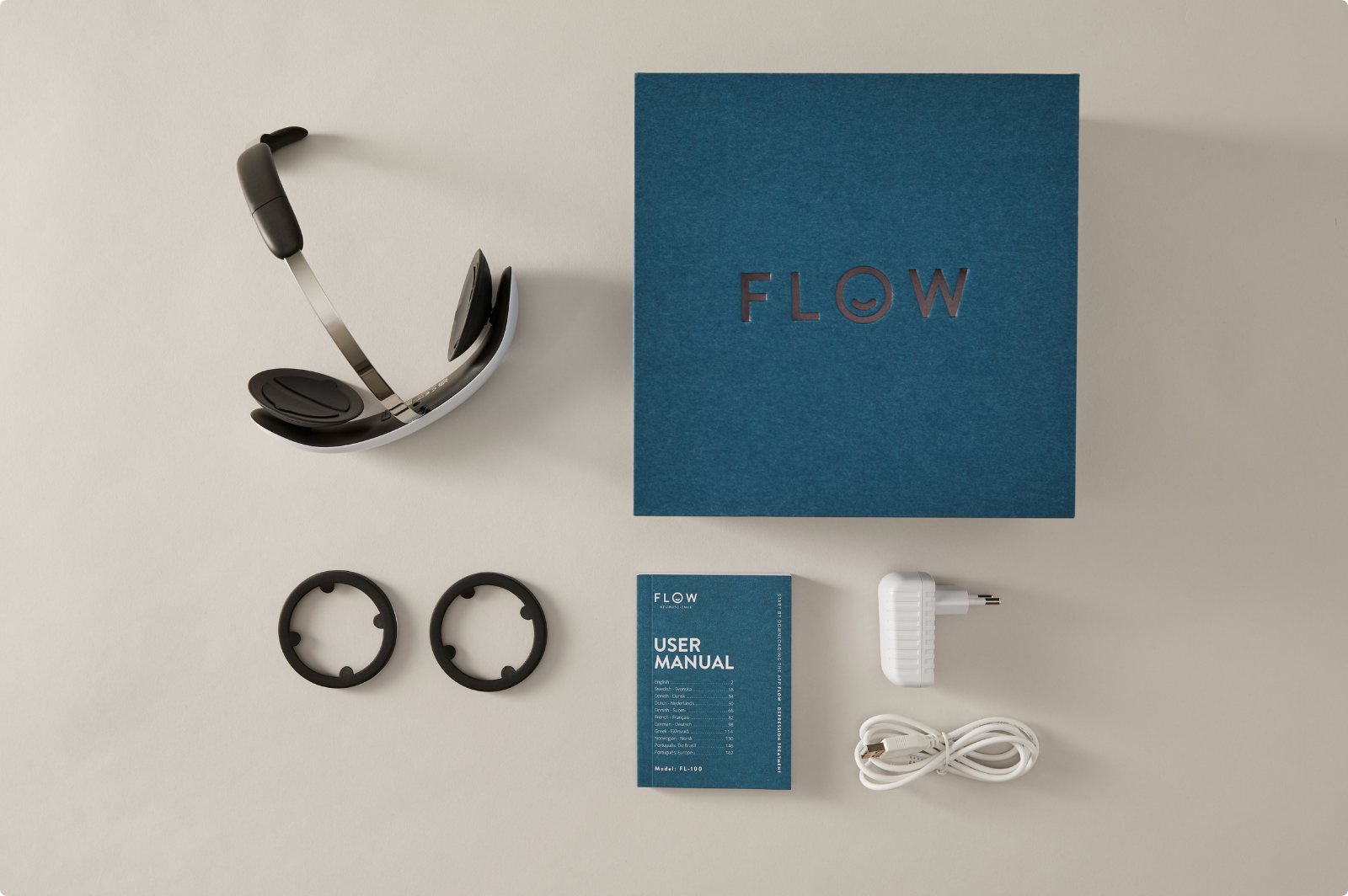
Flow FL-100 is the first at-home brain stimulation treatment approved by the FDA for the treatment of moderate to severe major depressive disorder (MDD), as a monotherapy or as an adjunctive treatment, in patients 18 years and older who are not considered treatment refractory to medication. Flow FL-100 launches in the US September 1, 2026.
Potential amplification when used as an adjunct
Flow FL-100 is supported by a randomised controlled trial1 published in Nature Medicine and is already used in routine clinical care across the UK and EU, with more than 55,000 patients treated in real-world settings to date2.
Remission rates at Week 10†1
.png?width=2000&height=1384&name=Group%2017537%20(1).png "Group 17537 (1)")
Favorable safety profile
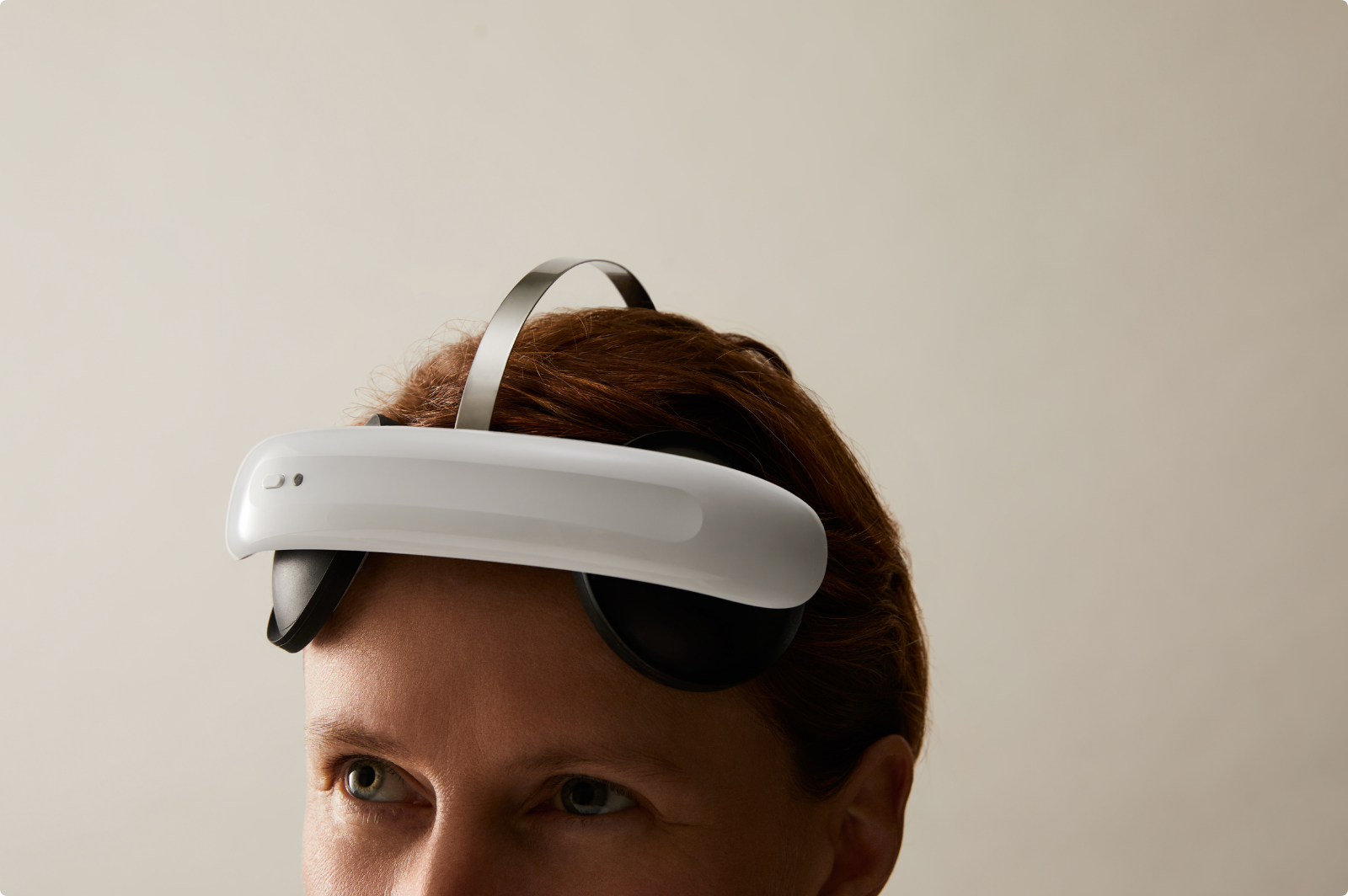
Flow FL-100 has shown a favorable safety profile to date, with both clinical trial1 and real-world user data suggesting a low incidence of adverse reactions. Based on real world evidence from >40,000 users, the self-reported incidence rate of side-effects is 4.5%2.
Flow is supported by a randomised controlled trial published in Nature Medicine and is already used in routine clinical care across the UK and EU, with more than 55,000 patients treated in real-world settings to date2.
Addressing risk in real-world clinical settings
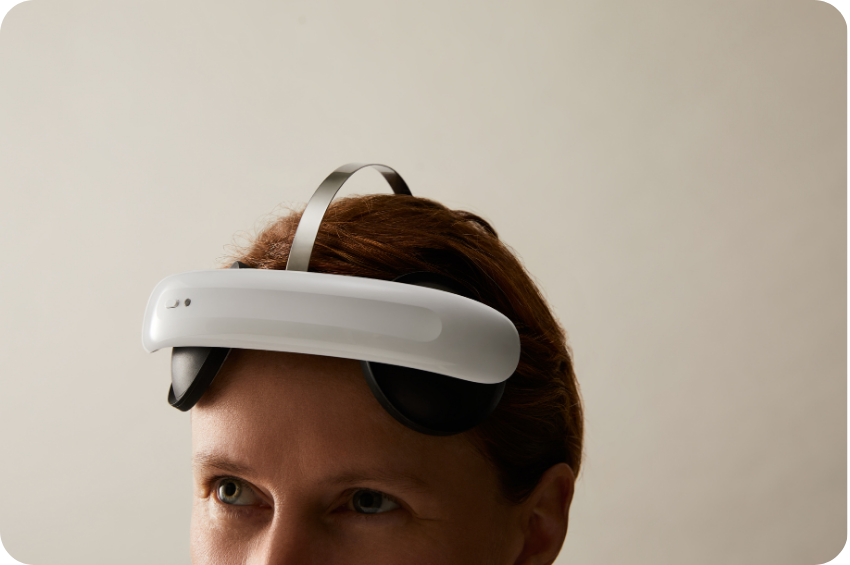
In a real-world crisis care evaluation, Flow FL-100 use was associated with up to a 75% reduction in reported suicidal ideation and avoided psychiatric hospital admissions, suggesting potential value as a supportive intervention for patients with acute depressive symptoms.
Change in distribution of Depression Severity after 3 weeks‡3
.png?width=2000&height=1298&name=Group%2017551%20(1).png "Group 17551 (1)")
*Remission is defined as a score of <10 on MADRS. MADRS remission rate was a secondary endpoint of the study. The primary endpoint of the study reviewed between-group mean difference in HDRS-17 scores and was –2.3 points in favour of the active group (p=0.012).
†Comparison of monotherapy and adjunctive use of Flow FL-100 was a sub-analysis evaluation included as table 10 and 11 in the Empower Study.
‡Findings from this crisis care evaluation are based on outcomes assessed after 3 and 6 weeks of treatment. The FDA-pivotal clinical trial evaluated its primary endpoint at 10 weeks; this difference in timeframe reflects the design and operational context of the crisis care service evaluation.
Please see more information about Flow FL-100, including the FDA-approved labeling, available here.
References: 1. Woodham, R.D., Selvaraj, S., Lajmi, N. et al. Nat Med (2024). 2. Data on file. Flow Neuroscience Real-world reports. 2025. 3. Griffiths, C., Abdalla, S., Mcconnochie, M. and Jiang, H. (2024). Open Journal of Psychiatry, 14, 514-527.
Safety information
The side effects of the Flow FL-100 reported in clinical studies were generally mild and transient. The main risks of the device are skin dryness, skin irritation or redness after prolonged use, transient headache, stinging, burning, or itching sensations at the stimulation site, and skin burns (typically in cases of electrode pad reuse or use of dried-out electrode pads which is not recommended).

© 2026 Flow Neuroscience